




One building.Eleven jobs.Four people to do them.
A small building has an admin, a guard, a cleaner and an owner — and eleven jobs between them. Each gets their own door, their own limits and their own screen.


Every floor on one book, every job on one desk.
Dues and rent raise themselves, the gate logs every visitor and parcel, the staff are paid from the same book, and the owner gets a statement that agrees with the bank.
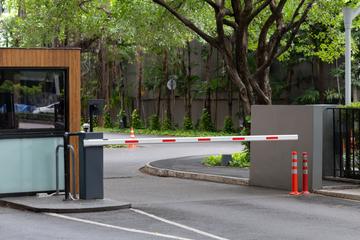
The gate
— a real screen, not a drawingFree under five doors. Flat from there, never a percentage.
Reconciled without a spreadsheet.
Per place and in total. The P&L, the statement, and the export the accountant takes. Drag the line and see which one you would rather close the month in.
Six rooms of the platform, one at a time.
The same six every buildings estate lives in. Pick one and it opens here — no page of six screenshots stacked on top of each other.
Free for the first six months, free under five doors for as long as the Free plan is offered, and every module on whichever you pay. There is no tier that hides a feature. Prices exclude VAT and other taxes, added where the law requires.
What buildings operators ask first.
Yes. A place is its own book — its own P&L, its own owner statement — and the estate is the sum of them.
The gate is built for a phone at a guard post, on one hand, in daylight. It is the screen we tested hardest.
No. Staff are unlimited and free. You pay for doors, never for people.
Their own statement and nothing else — their place, their money, the day it landed. No tenant is identifiable through it.
Sub-meters read and split per unit, billed on the same invoice as the rent, with the reading shown.
The other five kinds, on the same login.

Put buildings on rails, free until February.
Six months free on any estate, free under five doors for as long as the Free plan is offered, and your data leaves in one file whenever you want it.